- Start
- Our offer
- Our services
- Safety advice when transporting dangerous goods
Safety advice when transporting dangerous goods
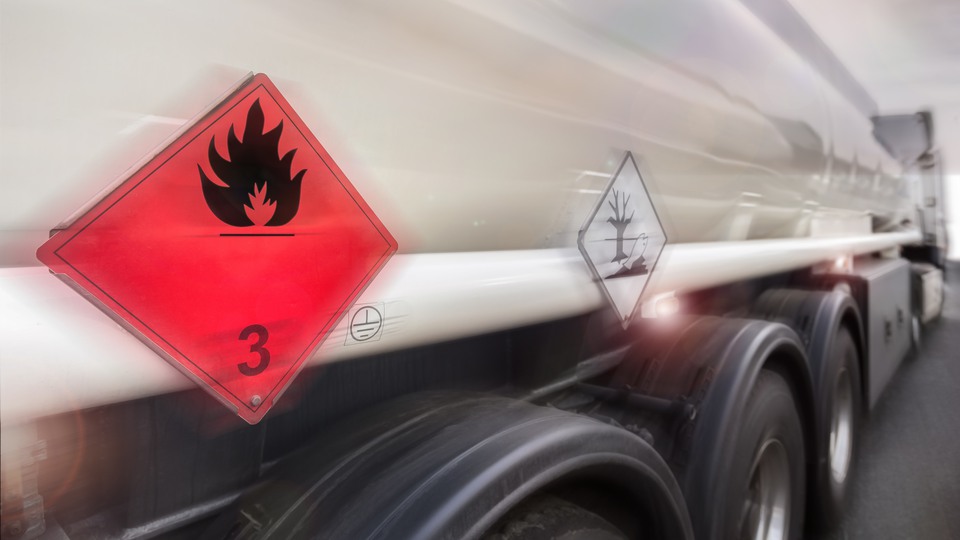
Companies that load, unload and transport dangerous goods must have access to a certified safety adviser. IVL Swedish Environmental Research Institute has certified safety advisors for road and sea transport who can support you in your work with dangerous goods in a correct and safe way.
We follow the development of national and international legal requirements and through a large network of contacts and various assignments, we maintain a practical application of current requirements.
Hire IVL for:
- Training
- Routines for safe handling of dangerous goods
- Advice and support when sending dangerous goods
- Registered as your security advisor
- Annual report to MSB (Agency for Civil Protection and Emergency Planning)
-
Our offer
- Digital services
- International
- Our focus areas
-
Our services
- WASH Governance
- Critical raw materials
- Permit applications and environmental impact assessments
- Safe and Sustainable by Design (SSbD)
- Biodiversity and Ecosystems According to ESRS E4
- Sustainability Management for Small and Medium-Sized Enterprises
- Transition Planning According to the CSRD Directive
- Detection of amphibians using environmental DNA
- DNSH criteria pollutants
- Sustainable ports
- Tools for Sustainable Construction – One stop shop
- Preparation of Status Reports
- Science Based Targets (SBTs) for nature
- Impact on Forests and Soil
- Measuring and Reporting According to the TNFD Framework
- PFAS simulator
- Textile collection and sorting
- Reuse of textiles
- Recycling of textiles
- Life cycle assessment of textiles
- Increased resource efficiency through reduced food waste
- Survey and purification of PFASs in soil and water
- PFAS analysis
- PFAS purification of water
- Analysis and visualization of environmental data
- Analyzing biodiversity with (eDNA)
- Digital environmental information for a circular construction industry eBVD
- Sustainability reporting as per CSRD
- EU's taxonomy for sustainable investments
- Management of marine ecosystems
- Water analyzes
- Spread calculations and modeling
- Reduce climate impact from construction
- Analysis of wastewater
- Analysis of soil and sediment
- Analysis of biota
- Air analyzes
- Work environment for small and medium-sized companies
- Water surveillance
- Water purification
- Underwater noise
- Traceability of materials
- Test beds, pilot plants and demonstrators
- Sustainable procurement
- Sustainable harbours and marinas
- Sustainable and resource-efficient energy solutions
- Sustainability label for furniture (Möbelfakta)
- Support for legal requirements for chemicals
- Strategies for climate-neutral properties
- Strategic sustainability work and sustainability management
- Socially sustainable adjustment
- Ship fuels and energy efficiency improvements
- Ship Emissions
- Safety advice when transporting dangerous goods
- Renewable fuels and biofuels
- Recycling and circular flows
- Net zero emissions of greenhouse gases
- Nature-based solutions in an urban environment
- Monitoring of air and precipitation
- Mobility for property owners
- Measures and strategies for increased circularity and resource efficiency
- Measure and evaluate biological diversity
- Marine micro-debris
- Life cycle analyzes
- Industrial symbiosis
- Industrial environmental issues
- Independent advice for effective climate compensation
- Greenhouse gas emissions
- Good indoor environment
- Forest diversity and ecosystem services
- Environmental product declaration (EPD)
- Environmental assessment system for construction products (BASTA)
- Energy and climate smart buildings
- Ecodesign in product development
- Digitize buildings
- Digital registration of construction product declarations (eBVD)
- Diffusion sampling
- Contaminated areas and oil damage
- Climate goals according to Science Based Targets
- Climate declaration of buildings, BM
- Climate assessment of energy measures (Tidstegen)
- Climate adaptation and vulnerability analyzes
- Clean Shipping Index
- Circular economy in a non-toxic environment
- Circular economy
- Circular construction and recycling in the construction sector
- Chemical health risks in the workplace
- Chart and make ecosystem services visible
- Build sustainably in a changing climate
- Biological tests
- Biogas solutions
- Aquaculture
- Appealing and socially sustainable residential areas
- Analysis of products and materials
- Analysis of pollutants in the work environment
- Analysis of indoor environment
- Anaerobic digestion experiments
- Accidents and safe workplace
- Research projects
- About IVL
- Publications
- Career
Last updated: 2024-09-19
-
Our offer
- Digital services
- International
- Our focus areas
-
Our services
- WASH Governance
- Critical raw materials
- Permit applications and environmental impact assessments
- Safe and Sustainable by Design (SSbD)
- Biodiversity and Ecosystems According to ESRS E4
- Sustainability Management for Small and Medium-Sized Enterprises
- Transition Planning According to the CSRD Directive
- Detection of amphibians using environmental DNA
- DNSH criteria pollutants
- Sustainable ports
- Tools for Sustainable Construction – One stop shop
- Preparation of Status Reports
- Science Based Targets (SBTs) for nature
- Impact on Forests and Soil
- Measuring and Reporting According to the TNFD Framework
- PFAS simulator
- Textile collection and sorting
- Reuse of textiles
- Recycling of textiles
- Life cycle assessment of textiles
- Increased resource efficiency through reduced food waste
- Survey and purification of PFASs in soil and water
- PFAS analysis
- PFAS purification of water
- Analysis and visualization of environmental data
- Analyzing biodiversity with (eDNA)
- Digital environmental information for a circular construction industry eBVD
- Sustainability reporting as per CSRD
- EU's taxonomy for sustainable investments
- Management of marine ecosystems
- Water analyzes
- Spread calculations and modeling
- Reduce climate impact from construction
- Analysis of wastewater
- Analysis of soil and sediment
- Analysis of biota
- Air analyzes
- Work environment for small and medium-sized companies
- Water surveillance
- Water purification
- Underwater noise
- Traceability of materials
- Test beds, pilot plants and demonstrators
- Sustainable procurement
- Sustainable harbours and marinas
- Sustainable and resource-efficient energy solutions
- Sustainability label for furniture (Möbelfakta)
- Support for legal requirements for chemicals
- Strategies for climate-neutral properties
- Strategic sustainability work and sustainability management
- Socially sustainable adjustment
- Ship fuels and energy efficiency improvements
- Ship Emissions
- Safety advice when transporting dangerous goods
- Renewable fuels and biofuels
- Recycling and circular flows
- Net zero emissions of greenhouse gases
- Nature-based solutions in an urban environment
- Monitoring of air and precipitation
- Mobility for property owners
- Measures and strategies for increased circularity and resource efficiency
- Measure and evaluate biological diversity
- Marine micro-debris
- Life cycle analyzes
- Industrial symbiosis
- Industrial environmental issues
- Independent advice for effective climate compensation
- Greenhouse gas emissions
- Good indoor environment
- Forest diversity and ecosystem services
- Environmental product declaration (EPD)
- Environmental assessment system for construction products (BASTA)
- Energy and climate smart buildings
- Ecodesign in product development
- Digitize buildings
- Digital registration of construction product declarations (eBVD)
- Diffusion sampling
- Contaminated areas and oil damage
- Climate goals according to Science Based Targets
- Climate declaration of buildings, BM
- Climate assessment of energy measures (Tidstegen)
- Climate adaptation and vulnerability analyzes
- Clean Shipping Index
- Circular economy in a non-toxic environment
- Circular economy
- Circular construction and recycling in the construction sector
- Chemical health risks in the workplace
- Chart and make ecosystem services visible
- Build sustainably in a changing climate
- Biological tests
- Biogas solutions
- Aquaculture
- Appealing and socially sustainable residential areas
- Analysis of products and materials
- Analysis of pollutants in the work environment
- Analysis of indoor environment
- Anaerobic digestion experiments
- Accidents and safe workplace
- Research projects
- About IVL
- Publications
- Career