- Start
- Our offer
- Our services
- Marine micro-debris
Marine micro-debris
At IVL Swedish Environmental Institute, marine ecologists, ecotoxicologists, environmental engineers and experts in water purification technology have been working for several years with various issues concerning marine debris and microplastics.
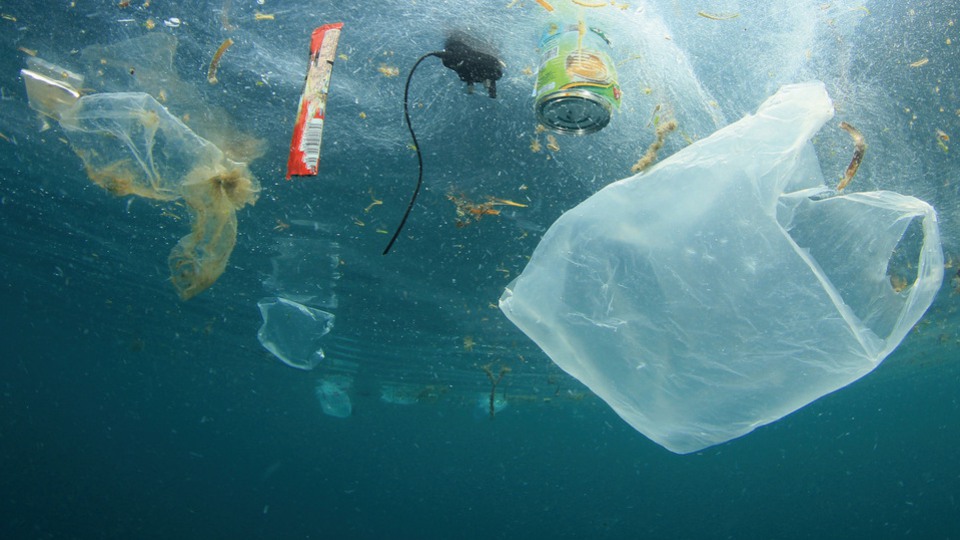
The large amount of debris found along our coasts is a sight we have had to get used to over the past fifty years. Just a few years after the first international reports of the presence of marine micro-debris and microplastics, researchers at IVL began to investigate the situation in Swedish coastal waters. Initially, the studies only included micro-debris that was larger than a third of a millimeter, but when the IVL researchers also included smaller particles, we found that the concentrations could be a thousand times higher than previously measured. Nowadays, micro-debris is a field of research where our results have had a major international impact.
Sources of micro-debris
Large beach debris breaks down over time into smaller micro-debris, but also debris that is thrown away in cities, nature and along roads is fragmented over time. Other significant sources are wear and tear from road traffic, spreading from artificial turf and other outdoor facilities with rubber granules and industries that handle these materials. Outgoing water from sewage treatment plants also introduces micro-debris into the marine environment, originating in our clothes, gadgets and hygiene items. Another significant source is fishing and shipping activities.
IVL works with several different clients, including the Swedish Environmental Protection Agency, individual municipalities, the Swedish Maritime Administration, County Administrative Boards, the Norwegian Polar Institute and the Norwegian Environment Agency.
Hire IVL to:
- Develop methods to reduce the supply of micro-debris to the sea
- Chart and quantify sources, distribution routes and accumulation areas
- Investigate how micro-debris affects the marine environment
- Field sampling of micro-debris in marine waters, seabeds and animals
-
Our offer
- Digital services
- International
- Our focus areas
-
Our services
- Chemical support
- Resource flows and industrial symbiosis in the food sector
- Climate-adapted procurement
- EU compliance for cosmetic products
- WASH Governance
- Critical raw materials
- Permit applications and environmental impact assessments
- Safe and Sustainable by Design (SSbD)
- Biodiversity and ecosystems according to ESRS E4
- Sustainability management for small and medium-sized enterprises
- Transition planning according to the CSRD directive
- Detection of amphibians using environmental DNA
- DNSH criteria pollutants
- Sustainable ports
- Tools for Sustainable Construction – One stop shop
- Preparation of Status Reports
- Impact on Forests and Soil
- Measuring and reporting according to the TNFD framework
- PFAS simulator
- Textile collection and sorting
- Reuse of textiles
- Recycling of textiles
- Life cycle assessment of textiles
- Increased resource efficiency through reduced food waste
- Survey and purification of PFASs in soil and water
- PFAS analysis
- PFAS purification of water
- Analysis and visualization of environmental data
- Analyzing biodiversity with (eDNA)
- Digital environmental information for a circular construction industry eBVD
- Sustainability reporting as per CSRD
- EU's taxonomy for sustainable investments
- Management of marine ecosystems
- Water analyzes
- Spread calculations and modeling
- Reduce climate impact from construction
- Analysis of wastewater
- Analysis of soil and sediment
- Analysis of biota
- Air analyzes
- Water surveillance
- Water purification
- Underwater noise
- Traceability of materials
- Test beds, pilot plants and demonstrators
- Sustainable procurement
- Sustainable harbours and marinas
- Sustainable and resource-efficient energy solutions
- Sustainability label for furniture (Möbelfakta)
- Support for legal requirements for chemicals
- Strategies for climate-neutral properties
- Strategic sustainability work and sustainability management
- Socially sustainable adjustment
- Ship fuels and energy efficiency improvements
- Ship Emissions
- Dangerous Goods Safety Advisor
- Renewable fuels and biofuels
- Recycling and circular flows
- Net zero emissions of greenhouse gases
- Nature-based solutions in an urban environment
- Monitoring of air and precipitation
- Mobility for property owners
- Measures and strategies for increased circularity and resource efficiency
- Measure and evaluate biological diversity
- Marine micro-debris
- Life cycle analyzes
- Industrial symbiosis
- Industrial environmental issues
- Independent advice for effective climate compensation
- Greenhouse gas emissions
- Good indoor environment
- Forest diversity and ecosystem services
- Environmental product declaration (EPD)
- Environmental assessment system for construction products (BASTA)
- Energy and climate smart buildings
- Ecodesign in product development
- Digitize buildings
- Digital registration of construction product declarations (eBVD)
- Diffusion sampling
- Contaminated areas and oil damage
- Climate goals according to Science Based Targets
- Climate declaration of buildings, BM
- Climate assessment of energy measures (Tidstegen)
- Climate adaptation and vulnerability analyzes
- Clean Shipping Index
- Circular economy in a non-toxic environment
- Circular economy
- Circular construction and recycling in the construction sector
- Chemical health risks in the workplace
- Chart and make ecosystem services visible
- Build sustainably in a changing climate
- Biological tests
- Biogas solutions
- Aquaculture
- Appealing and socially sustainable residential areas
- Analysis of products and materials
- Analysis of pollutants in the work environment
- Analysis of indoor environment
- Anaerobic digestion experiments
- Accidents and safe workplace
- Research projects
- About IVL
- Publications
- Career
-
Our offer
- Digital services
- International
- Our focus areas
-
Our services
- Chemical support
- Resource flows and industrial symbiosis in the food sector
- Climate-adapted procurement
- EU compliance for cosmetic products
- WASH Governance
- Critical raw materials
- Permit applications and environmental impact assessments
- Safe and Sustainable by Design (SSbD)
- Biodiversity and ecosystems according to ESRS E4
- Sustainability management for small and medium-sized enterprises
- Transition planning according to the CSRD directive
- Detection of amphibians using environmental DNA
- DNSH criteria pollutants
- Sustainable ports
- Tools for Sustainable Construction – One stop shop
- Preparation of Status Reports
- Impact on Forests and Soil
- Measuring and reporting according to the TNFD framework
- PFAS simulator
- Textile collection and sorting
- Reuse of textiles
- Recycling of textiles
- Life cycle assessment of textiles
- Increased resource efficiency through reduced food waste
- Survey and purification of PFASs in soil and water
- PFAS analysis
- PFAS purification of water
- Analysis and visualization of environmental data
- Analyzing biodiversity with (eDNA)
- Digital environmental information for a circular construction industry eBVD
- Sustainability reporting as per CSRD
- EU's taxonomy for sustainable investments
- Management of marine ecosystems
- Water analyzes
- Spread calculations and modeling
- Reduce climate impact from construction
- Analysis of wastewater
- Analysis of soil and sediment
- Analysis of biota
- Air analyzes
- Water surveillance
- Water purification
- Underwater noise
- Traceability of materials
- Test beds, pilot plants and demonstrators
- Sustainable procurement
- Sustainable harbours and marinas
- Sustainable and resource-efficient energy solutions
- Sustainability label for furniture (Möbelfakta)
- Support for legal requirements for chemicals
- Strategies for climate-neutral properties
- Strategic sustainability work and sustainability management
- Socially sustainable adjustment
- Ship fuels and energy efficiency improvements
- Ship Emissions
- Dangerous Goods Safety Advisor
- Renewable fuels and biofuels
- Recycling and circular flows
- Net zero emissions of greenhouse gases
- Nature-based solutions in an urban environment
- Monitoring of air and precipitation
- Mobility for property owners
- Measures and strategies for increased circularity and resource efficiency
- Measure and evaluate biological diversity
- Marine micro-debris
- Life cycle analyzes
- Industrial symbiosis
- Industrial environmental issues
- Independent advice for effective climate compensation
- Greenhouse gas emissions
- Good indoor environment
- Forest diversity and ecosystem services
- Environmental product declaration (EPD)
- Environmental assessment system for construction products (BASTA)
- Energy and climate smart buildings
- Ecodesign in product development
- Digitize buildings
- Digital registration of construction product declarations (eBVD)
- Diffusion sampling
- Contaminated areas and oil damage
- Climate goals according to Science Based Targets
- Climate declaration of buildings, BM
- Climate assessment of energy measures (Tidstegen)
- Climate adaptation and vulnerability analyzes
- Clean Shipping Index
- Circular economy in a non-toxic environment
- Circular economy
- Circular construction and recycling in the construction sector
- Chemical health risks in the workplace
- Chart and make ecosystem services visible
- Build sustainably in a changing climate
- Biological tests
- Biogas solutions
- Aquaculture
- Appealing and socially sustainable residential areas
- Analysis of products and materials
- Analysis of pollutants in the work environment
- Analysis of indoor environment
- Anaerobic digestion experiments
- Accidents and safe workplace
- Research projects
- About IVL
- Publications
- Career