- Start
- Our offer
- Our services
- Digitize buildings
Digitize buildings
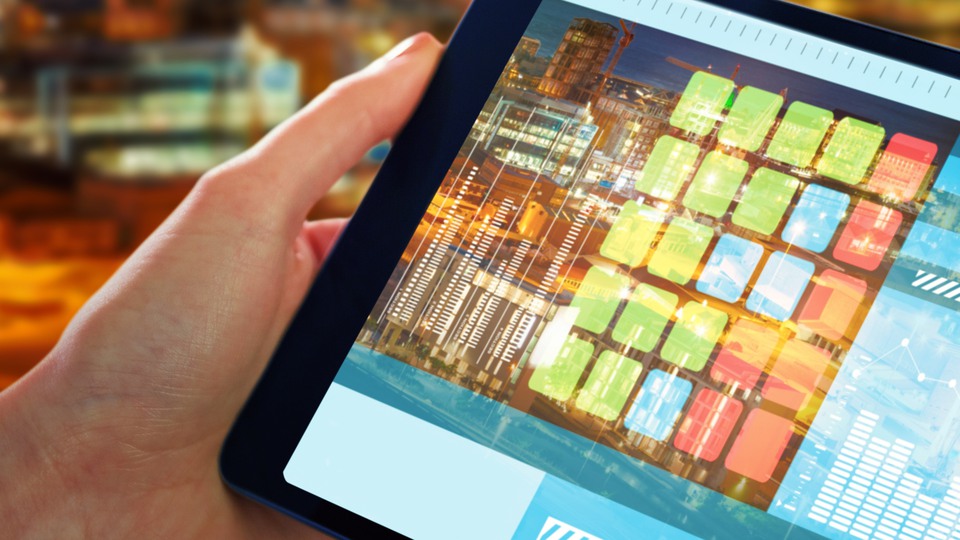
Create smart and sustainable buildings, homes and construction processes through digitization. IVL Swedish Environmental Research Institute helps you with environmental information, IoT and digital twins.
Digitization is a natural part of the process of building futuristic houses. Sustainability, economy and housing quality - most benefit from smart technology and innovative approaches. Developing and refining properties involves investments that will both provide an increase in value but also improved cash flows.
We support you in digitizing sustainability work and contributing to climate-smart construction, adapted to your specific needs.
Hire IVL for:
- Documentation of building materials digitally and secure the company's logbook with the help of our subsidiary BASTAS External link, opens in new window. comprehensive product database, in combination with the international EDP system and national eBVD database External link, opens in new window..
- Optimizing for operations through connected buildings so that you can talk to your building with IoT (Internet of things) and get information on how sustainability can increase
- Increasing sustainability through digital twins, a digital copy of your building where you can simulate different operating conditions in a decentralized database and steer towards key figures for increased sustainability
-
Our offer
- Digital services
- International
- Our focus areas
-
Our services
- WASH Governance
- Critical raw materials
- Permit applications and environmental impact assessments
- Safe and Sustainable by Design (SSbD)
- Biodiversity and Ecosystems According to ESRS E4
- Sustainability Management for Small and Medium-Sized Enterprises
- Transition Planning According to the CSRD Directive
- Detection of amphibians using environmental DNA
- DNSH criteria pollutants
- Sustainable ports
- Tools for Sustainable Construction – One stop shop
- Preparation of Status Reports
- Science Based Targets (SBTs) for nature
- Impact on Forests and Soil
- Measuring and Reporting According to the TNFD Framework
- PFAS simulator
- Textile collection and sorting
- Reuse of textiles
- Recycling of textiles
- Life cycle assessment of textiles
- Increased resource efficiency through reduced food waste
- Survey and purification of PFASs in soil and water
- PFAS analysis
- PFAS purification of water
- Analysis and visualization of environmental data
- Analyzing biodiversity with (eDNA)
- Digital environmental information for a circular construction industry eBVD
- Sustainability reporting as per CSRD
- EU's taxonomy for sustainable investments
- Management of marine ecosystems
- Water analyzes
- Spread calculations and modeling
- Reduce climate impact from construction
- Analysis of wastewater
- Analysis of soil and sediment
- Analysis of biota
- Air analyzes
- Work environment for small and medium-sized companies
- Water surveillance
- Water purification
- Underwater noise
- Traceability of materials
- Test beds, pilot plants and demonstrators
- Sustainable procurement
- Sustainable harbours and marinas
- Sustainable and resource-efficient energy solutions
- Sustainability label for furniture (Möbelfakta)
- Support for legal requirements for chemicals
- Strategies for climate-neutral properties
- Strategic sustainability work and sustainability management
- Socially sustainable adjustment
- Ship fuels and energy efficiency improvements
- Ship Emissions
- Safety advice when transporting dangerous goods
- Renewable fuels and biofuels
- Recycling and circular flows
- Net zero emissions of greenhouse gases
- Nature-based solutions in an urban environment
- Monitoring of air and precipitation
- Mobility for property owners
- Measures and strategies for increased circularity and resource efficiency
- Measure and evaluate biological diversity
- Marine micro-debris
- Life cycle analyzes
- Industrial symbiosis
- Industrial environmental issues
- Independent advice for effective climate compensation
- Greenhouse gas emissions
- Good indoor environment
- Forest diversity and ecosystem services
- Environmental product declaration (EPD)
- Environmental assessment system for construction products (BASTA)
- Energy and climate smart buildings
- Ecodesign in product development
- Digitize buildings
- Digital registration of construction product declarations (eBVD)
- Diffusion sampling
- Contaminated areas and oil damage
- Climate goals according to Science Based Targets
- Climate declaration of buildings, BM
- Climate assessment of energy measures (Tidstegen)
- Climate adaptation and vulnerability analyzes
- Clean Shipping Index
- Circular economy in a non-toxic environment
- Circular economy
- Circular construction and recycling in the construction sector
- Chemical health risks in the workplace
- Chart and make ecosystem services visible
- Build sustainably in a changing climate
- Biological tests
- Biogas solutions
- Aquaculture
- Appealing and socially sustainable residential areas
- Analysis of products and materials
- Analysis of pollutants in the work environment
- Analysis of indoor environment
- Anaerobic digestion experiments
- Accidents and safe workplace
- Research projects
- About IVL
- Publications
- Career
Last updated: 2024-09-19
-
Our offer
- Digital services
- International
- Our focus areas
-
Our services
- WASH Governance
- Critical raw materials
- Permit applications and environmental impact assessments
- Safe and Sustainable by Design (SSbD)
- Biodiversity and Ecosystems According to ESRS E4
- Sustainability Management for Small and Medium-Sized Enterprises
- Transition Planning According to the CSRD Directive
- Detection of amphibians using environmental DNA
- DNSH criteria pollutants
- Sustainable ports
- Tools for Sustainable Construction – One stop shop
- Preparation of Status Reports
- Science Based Targets (SBTs) for nature
- Impact on Forests and Soil
- Measuring and Reporting According to the TNFD Framework
- PFAS simulator
- Textile collection and sorting
- Reuse of textiles
- Recycling of textiles
- Life cycle assessment of textiles
- Increased resource efficiency through reduced food waste
- Survey and purification of PFASs in soil and water
- PFAS analysis
- PFAS purification of water
- Analysis and visualization of environmental data
- Analyzing biodiversity with (eDNA)
- Digital environmental information for a circular construction industry eBVD
- Sustainability reporting as per CSRD
- EU's taxonomy for sustainable investments
- Management of marine ecosystems
- Water analyzes
- Spread calculations and modeling
- Reduce climate impact from construction
- Analysis of wastewater
- Analysis of soil and sediment
- Analysis of biota
- Air analyzes
- Work environment for small and medium-sized companies
- Water surveillance
- Water purification
- Underwater noise
- Traceability of materials
- Test beds, pilot plants and demonstrators
- Sustainable procurement
- Sustainable harbours and marinas
- Sustainable and resource-efficient energy solutions
- Sustainability label for furniture (Möbelfakta)
- Support for legal requirements for chemicals
- Strategies for climate-neutral properties
- Strategic sustainability work and sustainability management
- Socially sustainable adjustment
- Ship fuels and energy efficiency improvements
- Ship Emissions
- Safety advice when transporting dangerous goods
- Renewable fuels and biofuels
- Recycling and circular flows
- Net zero emissions of greenhouse gases
- Nature-based solutions in an urban environment
- Monitoring of air and precipitation
- Mobility for property owners
- Measures and strategies for increased circularity and resource efficiency
- Measure and evaluate biological diversity
- Marine micro-debris
- Life cycle analyzes
- Industrial symbiosis
- Industrial environmental issues
- Independent advice for effective climate compensation
- Greenhouse gas emissions
- Good indoor environment
- Forest diversity and ecosystem services
- Environmental product declaration (EPD)
- Environmental assessment system for construction products (BASTA)
- Energy and climate smart buildings
- Ecodesign in product development
- Digitize buildings
- Digital registration of construction product declarations (eBVD)
- Diffusion sampling
- Contaminated areas and oil damage
- Climate goals according to Science Based Targets
- Climate declaration of buildings, BM
- Climate assessment of energy measures (Tidstegen)
- Climate adaptation and vulnerability analyzes
- Clean Shipping Index
- Circular economy in a non-toxic environment
- Circular economy
- Circular construction and recycling in the construction sector
- Chemical health risks in the workplace
- Chart and make ecosystem services visible
- Build sustainably in a changing climate
- Biological tests
- Biogas solutions
- Aquaculture
- Appealing and socially sustainable residential areas
- Analysis of products and materials
- Analysis of pollutants in the work environment
- Analysis of indoor environment
- Anaerobic digestion experiments
- Accidents and safe workplace
- Research projects
- About IVL
- Publications
- Career