- Start
- Our offer
- Our services
- Aquaculture
Aquaculture
The world's growing population is putting increasing pressure on our marine resources. As a result of the depletion of wild fish stocks, aquaculture is increasingly being promoted as an important solution.
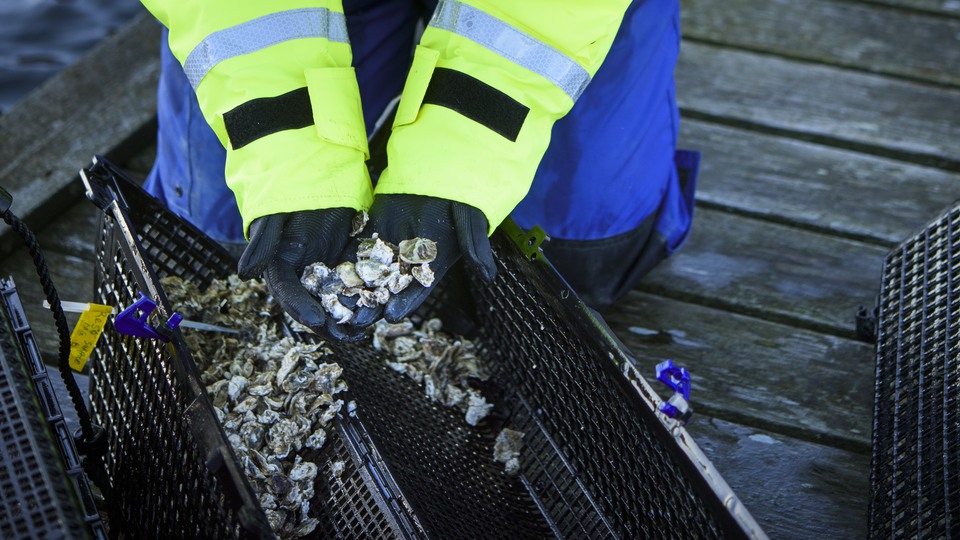
In fact, aquaculture is the fastest growing food production sector in the world - a future industry. In particular, shellfish farming is promoted as a sustainable industry with many potential environmental benefits. Cultivation of these species does not require the supply of feed, instead they take up nutrients from the water and help reduce eutrophication in coastal environments.
In Sweden today, there is great interest in developing marine sustainable production systems. Land-based cultivation systems are also on the rise and new technologies where it is being tested how different species are co-cultivated in several places, for example through so-called aquaponics where fish and vegetables are grown together.
Hire IVL for:
- Development of cultivation techniques for shellfish production.
- Development linked to hydroponics and aquaponics.
- The possibility of linking fish farming to cellulose industries.
-
Our offer
- Digital services
- International
- Our focus areas
-
Our services
- Critical raw materials
- EU compliance for cosmetic products
- Permit applications and environmental impact assessments
- Safe and Sustainable by Design (SSbD)
- Biodiversity and Ecosystems According to ESRS E4
- Sustainability Management for Small and Medium-Sized Enterprises
- Transition Planning According to the CSRD Directive
- Detection of amphibians using environmental DNA
- DNSH criteria pollutants
- Sustainable ports
- Tools for Sustainable Construction – One stop shop
- Preparation of Status Reports
- Science Based Targets (SBTs) for nature
- Impact on Forests and Soil
- Measuring and Reporting According to the TNFD Framework
- PFAS simulator
- Textile collection and sorting
- Reuse of textiles
- Recycling of textiles
- Life cycle assessment of textiles
- Increased resource efficiency through reduced food waste
- Survey and purification of PFASs in soil and water
- PFAS analysis
- PFAS purification of water
- Analysis and visualization of environmental data
- Analyzing biodiversity with (eDNA)
- Digital environmental information for a circular construction industry eBVD
- Sustainability reporting as per CSRD
- EU's taxonomy for sustainable investments
- Management of marine ecosystems
- Water analyzes
- Spread calculations and modeling
- Reduce climate impact from construction
- Analysis of wastewater
- Analysis of soil and sediment
- Analysis of biota
- Air analyzes
- Work environment for small and medium-sized companies
- Water surveillance
- Water purification
- Underwater noise
- Traceability of materials
- Test beds, pilot plants and demonstrators
- Sustainable procurement
- Sustainable harbours and marinas
- Sustainable and resource-efficient energy solutions
- Sustainability label for furniture (Möbelfakta)
- Support for legal requirements for chemicals
- Strategies for climate-neutral properties
- Strategic sustainability work and sustainability management
- Socially sustainable adjustment
- Ship fuels and energy efficiency improvements
- Ship Emissions
- Safety advice when transporting dangerous goods
- Renewable fuels and biofuels
- Recycling and circular flows
- Net zero emissions of greenhouse gases
- Nature-based solutions in an urban environment
- Monitoring of air and precipitation
- Mobility for property owners
- Measures and strategies for increased circularity and resource efficiency
- Measure and evaluate biological diversity
- Marine micro-debris
- Life cycle analyzes
- Industrial symbiosis
- Industrial environmental issues
- Independent advice for effective climate compensation
- Greenhouse gas emissions
- Good indoor environment
- Forest diversity and ecosystem services
- Environmental product declaration (EPD)
- Environmental assessment system for construction products (BASTA)
- Energy and climate smart buildings
- Ecodesign in product development
- Digitize buildings
- Digital registration of construction product declarations (eBVD)
- Diffusion sampling
- Contaminated areas and oil damage
- Climate goals according to Science Based Targets
- Climate declaration of buildings, BM
- Climate assessment of energy measures (Tidstegen)
- Climate adaptation and vulnerability analyzes
- Clean Shipping Index
- Circular economy in a non-toxic environment
- Circular economy
- Circular construction and recycling in the construction sector
- Chemical health risks in the workplace
- Chart and make ecosystem services visible
- Build sustainably in a changing climate
- Biological tests
- Biogas solutions
- Aquaculture
- Appealing and socially sustainable residential areas
- Analysis of products and materials
- Analysis of pollutants in the work environment
- Analysis of indoor environment
- Anaerobic digestion experiments
- Accidents and safe workplace
- Research projects
- About IVL
- Publications
- Career