How Swedish biogas can reach the shipping industry
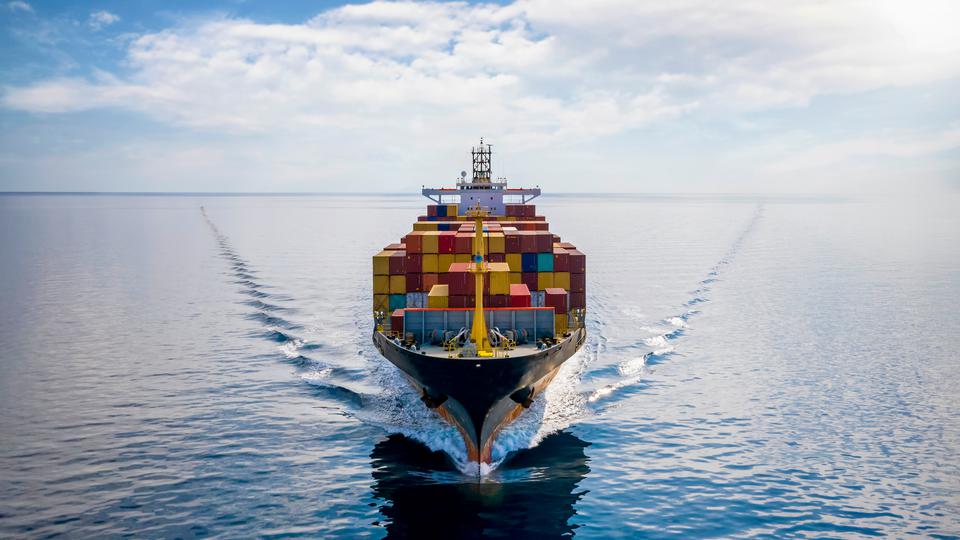
The Swedish shipping needs more renewable fuels to reduce its climate emissions. The project investigates how domestically produced biogas can be made available to ships in the form of liquefied biogas (LBG – liquefied biogas). The focus is on smarter logistics, new value chains and increased collaboration between producers, ports and shipping companies.
For the shipping sector to reduce its climate emissions, access to renewable fuels that work in practice is required. Liquefied biogas, LBG, is one such alternative, but more knowledge is needed on how Swedish biogas production can be linked to the needs of the shipping sector.
The project The shipping sector’s LBG needs – domestic solutions investigates how domestically produced biomethane can be made available to ships. The focus is on various technical and logistical solutions, for example liquefaction at ports or at biogas plants, transport of compressed biomethane to hubs and injection into the gas grid. Methane hydrate is also studied as a possible solution for storage and distribution.
The work is based on literature studies, interviews, workshops and case studies from a systems perspective. IVL Swedish Environmental Research Institute leads the project in close collaboration with Chalmers and Energikontor Syd. Several actors from shipping, ports, energy companies and the biogas sector contribute with knowledge and practical experience.
The results will show costs, climate benefits and practical conditions for different solutions. In this way, the project can provide guidance to producers, ports, shipping companies and decision-makers – and contribute to increased use of Swedish-produced LBG in the shipping sector.
Project facts
- Projektnamn: Sjöfartens LBG behov – Inhemska lösningar
- Budget: 500 000 SEK
- Funded by: Lighthouse – Swedish Maritime Competence Centre
- Samarbetspartner: IVL Svenska Miljöinstitutet, Chalmers och Biogas Syd
- Period: 2026 - 2026


Contributes to the UN Global Goals