Accelerating the transition to sustainable shipping and recreational boating
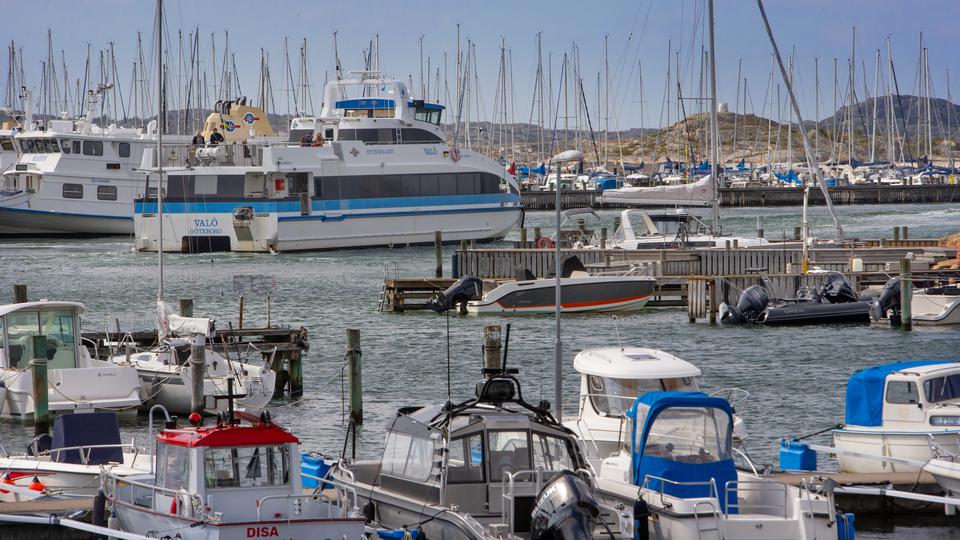
Shipping and recreational boating are important for transport and leisure activities, but they also affect the marine environment. MARLIN supports the transition towards more sustainable shipping and recreational boating. Through research and demonstrations in Swedish coastal environments, the project develops and evaluates solutions that keep hulls clean without harmful chemicals, reduce emissions and lower underwater noise.
Shipping and recreational boating are essential for trade, transport and leisure activities, but they also affect the marine environment through the release of hazardous substances, microplastics and nutrients, the spread of invasive species, and underwater noise.
MARLIN focuses on three areas where the transition needs to accelerate:
- Antifouling strategies – accelerating the transition to biocide-free solutions for preventing fouling on ships and recreational boats.
- Marine fuels and electrification – promoting the transition to fossil-free fuels and reducing emissions from shipping and recreational boating.
- Underwater noise – measuring noise from ships and boats and exploring ways to reduce it.
The project combines environmental modelling and field measurements with surveys, interviews, and analyses of behaviour, economics and policy instruments.
Demonstration trials are being carried out in the Gothenburg and Stockholm archipelagos, where shipping companies and boat owners test and evaluate biocide-free antifouling methods, noise-reduction measures and other practical solutions. The trials will demonstrate both environmental benefits and the opportunities and barriers that influence the transition.
MARLIN also develops decision-support tools, policy recommendations and a shared roadmap for a maritime sector with a lower environmental impact. The results can be used directly by government agencies, municipalities, ports, shipping companies, marinas and recreational boating organisations. The overall aim is to contribute to healthier coastal and marine environments and reduced environmental impacts from shipping and recreational boating in Swedish coastal waters.
IVL leads and coordinates the interdisciplinary project and contributes analyses of policy instruments and regulations, future scenario development, and policy recommendations. Using models, environmental data and risk assessments, IVL helps improve our understanding of, quantify and reduce the impacts of shipping and recreational boating on marine and coastal environments.
Project facts
- Project name: MARLIN (Maritime Actors in Research, co-creation and Low-Impact transitioN)
- Budget: SEK 30 million
- Funding: Formas
- Project partners: IVL Swedish Environmental Research Institute, Lund University, Chalmers University of Technology, Swedish Meteorological and Hydrological Institute (SMHI), Swedish Boating Union, Swedish Transport Agency and the Environmental Administration of the City of Stockholm.
- Period: 2026 - 2031

Contributes to the UN Global Goals