Methane Emissions from the Storage of Untreated and Digested Livestock Manure
The anaerobic digestion of livestock manure can provide significant benefits in terms of resource efficiency, resilience and climate performance. However, one potential risk is that greenhouse gas emissions may increase, as methane-producing microorganisms are favoured during the digestion process. This study generates new data by measuring methane emissions from the storage of untreated and digested manure at Swedish farm-based biogas plants.
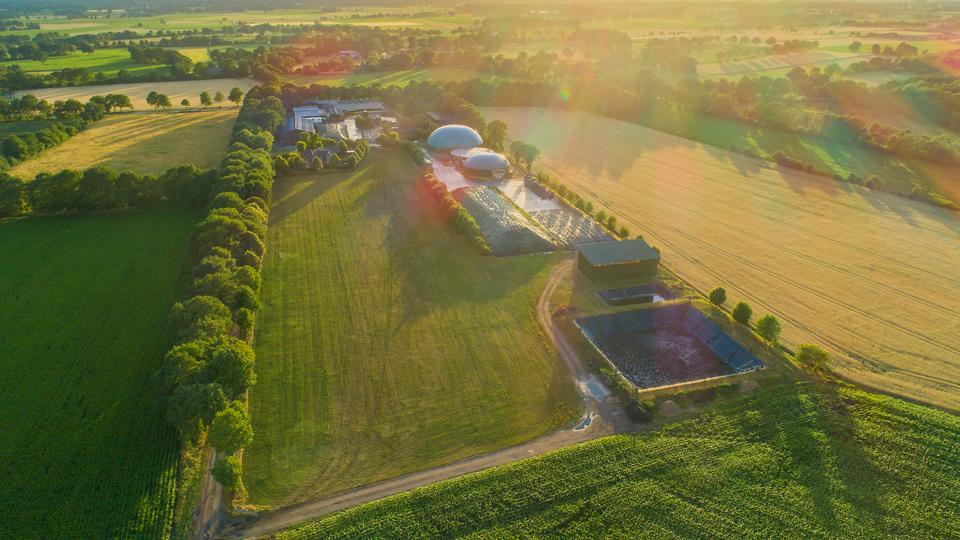
In recent years, many livestock farms have invested in their own biogas facilities to produce biogas and digestate from manure. Today, there are almost 60 farm-scale biogas plants operating across Sweden, from north to south. The anaerobic digestion of livestock manure can offer substantial benefits through the production of biogas on-site, which can be used for:
- Combined heat and power (CHP) generation, increasing the farm’s energy self-sufficiency.
- Improved plant availability of nutrients in the digested manure, as nutrients are mineralised during the digestion process.
- Reduced odour during storage and land application.
However, there is also a risk that emissions of greenhouse gases and ammonia may increase. It is therefore important to implement appropriate measures and design manure management systems, the digestion process, storage facilities and land application practices in ways that minimise greenhouse gas emissions and nutrient losses.
This project provides new knowledge on the storage of digested and untreated manure through measurements of methane emissions from manure storage tanks before and after digestion at a range of farm-based biogas plants across Sweden. At the same time, factors such as manure management practices, storage design, ambient temperature and process conditions within the digestion system will be mapped and evaluated to determine their influence on emissions.
During the first year of the project, measurements are carried out at 7 to 10 farm-based biogas plants. The facilities are selected to ensure representation of farms primarily using either cattle manure or pig manure. At each site, measurements are conducted on three separate occasions to capture seasonal variations. Samples will be collected before and after digestion for analysis of total solids (TS) and volatile solids (VS) content, while samples from digestate storage tanks are analysed for residual methane potential (RMP). The collected measurement data are analysed together with other analytical results and supporting information to identify the factors affecting greenhouse gas emissions and to assess which mitigation measures could be implemented to reduce them.
Project facts
- Project name: Methane Emissions from the Storage of Untreated and Digested Livestock Manure
- Budget: 2,2 million SEK
- Funded by: The project is funded through national research and development (R&D) funds provided by the Swedish Board of Agriculture.
- Period: 2026 - 2027

Contributes to the UN Global Goals