
Sustainable consumption within the planet’s limits
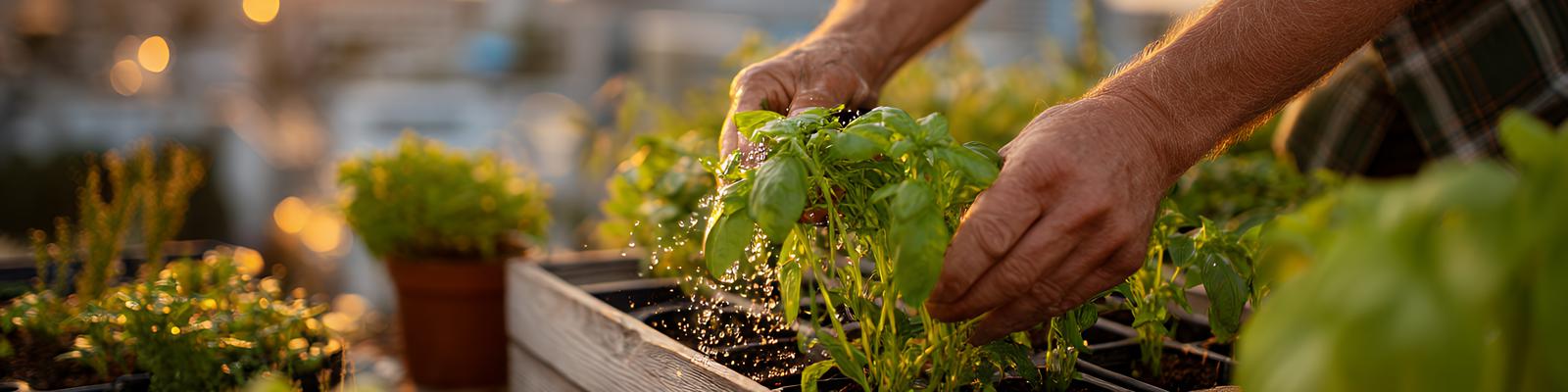
The way we consume has a major impact on the climate, the environment, and the use of natural resources. Sustainable consumption is about reducing resource use, promoting circular solutions, and creating the conditions for sustainable lifestyles and good lives within the planet’s limits.
The transition to sustainable consumption requires new ways of designing, procuring, distributing, as well as using and sharing goods and services. It involves reducing overconsumption, choosing sustainable alternatives, extending the lifespan of products, and increasing reuse and sharing. At the same time, we need to develop future scenarios that show how people and businesses can live and operate within the planet’s boundaries.
For sustainable consumption to become the norm, changes are needed at multiple levels of society. New business models, policy instruments, and solutions need to be developed and scaled up to make sustainable choices easier and more attractive.
IVL Swedish Environmental Research Institute supports companies, municipalities, government agencies, and other stakeholders in this transition and scaling up through independent, science-based decision-making support, process support, innovation, and test beds. Taking a systems perspective and working in close collaboration with societal stakeholders, we develop knowledge and solutions for more sustainable consumption.
Ongoing research on sustainable consumption


IVL's services in the area of sustainable consumption
Filter result
This form is posted automatically



A selection of projects we're proud of
Sustainable clothing futures
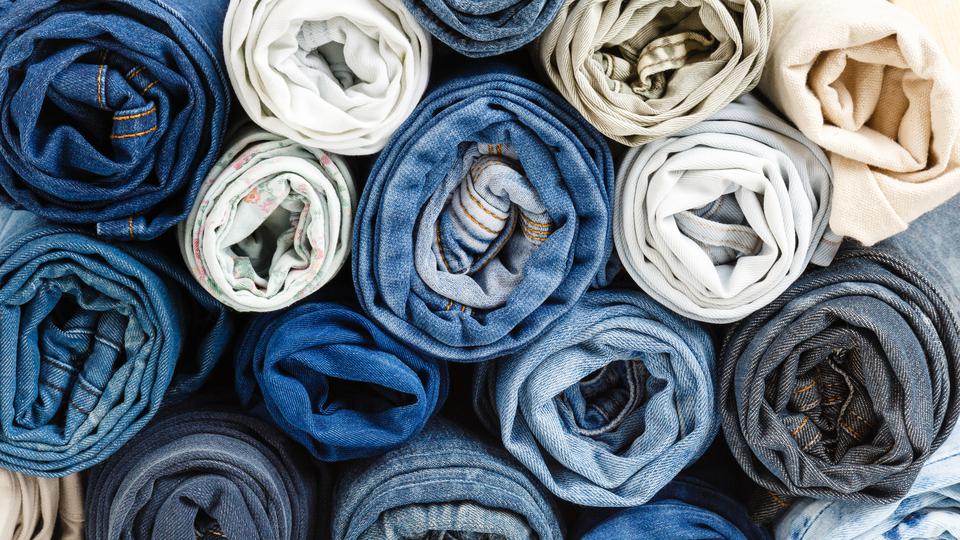
How can the apparel industry become more sustainable – from production to reuse and recycling? In the research project “Sustainable Clothing of the Future,” IVL and several research partners are investigating how circular business models, new recycling technologies, and policy instruments can contribute to more sustainable clothing consumption and a more sustainable textile value chain.
Usereuse – Reuse as the norm
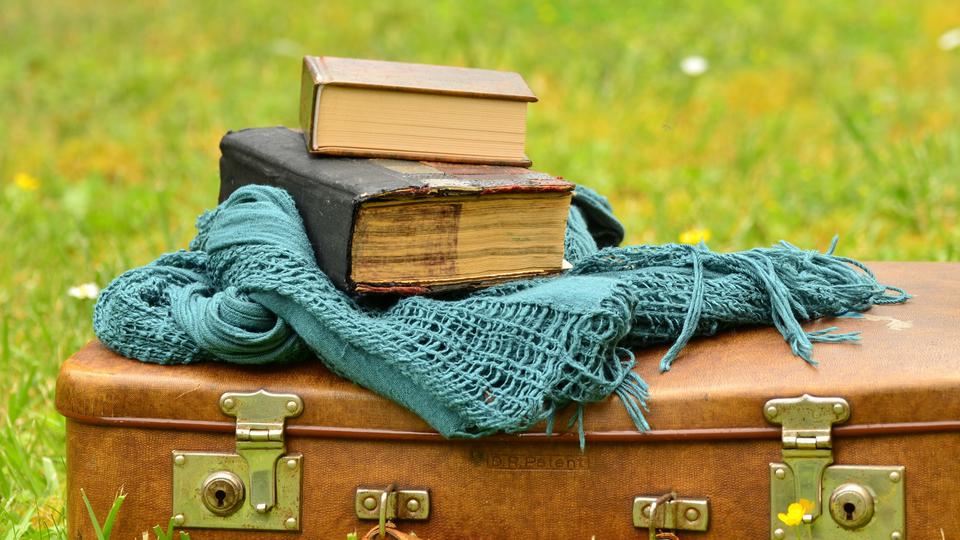
How can reuse become as easy as buying new? Usereuse has explored how reuse can become a natural part of everyday life through new partnerships, business models, and societal solutions that reduce the need for new purchases.
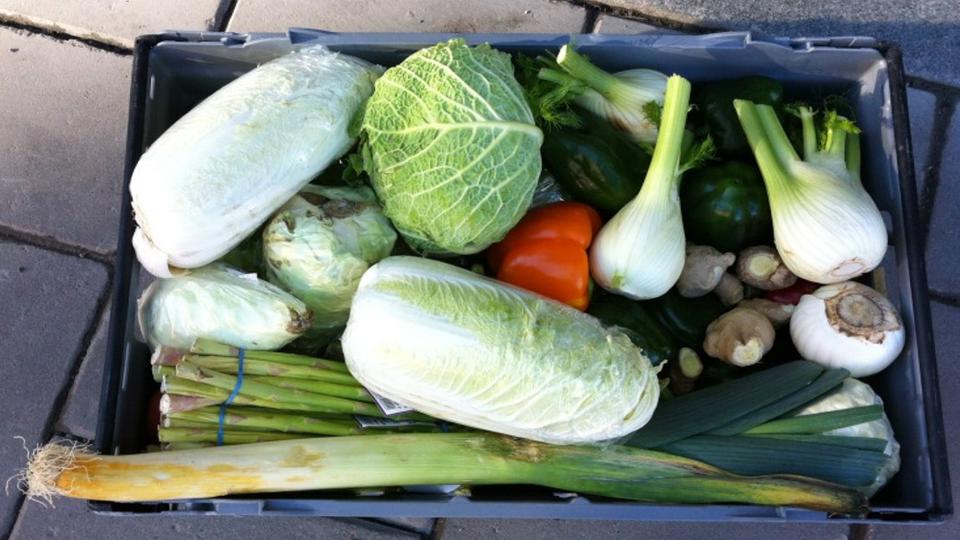
Reducing food waste through donations
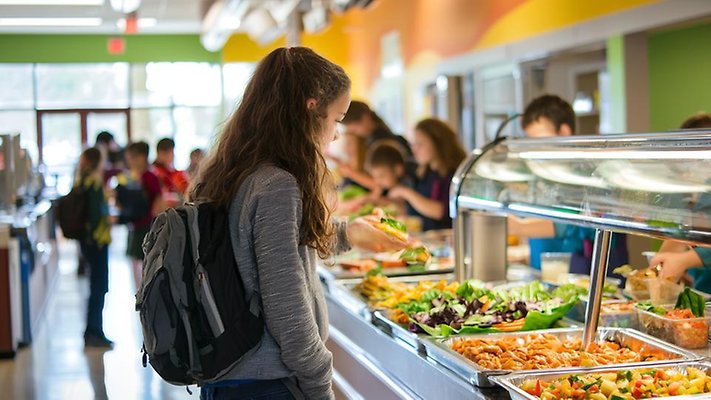
More food can be put to good use instead of being thrown away. The project has gathered knowledge, best practices, and success stories that make it easier for stakeholders in the food supply chain to donate surplus food and thereby reduce food waste.
Related publications on sustainable consumption
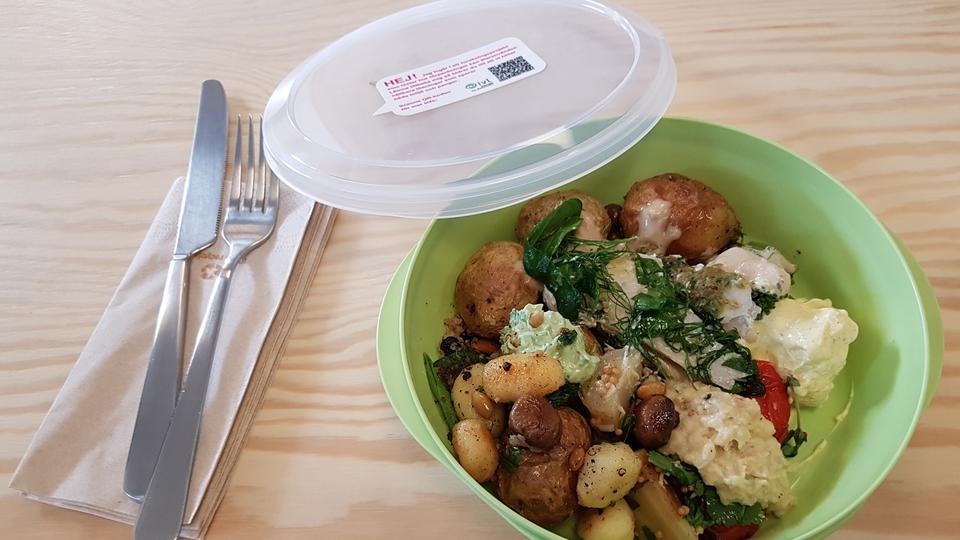
Policy lab for the reuse of takeout packaging External link, opens in new window.
The report identifies barriers and opportunities for increasing the reuse of takeout packaging for food and beverages. It presents 13 policy measures that can facilitate the transition to effective return systems and increased use of reusable packaging.
Increased reuse in municipalities External link, opens in new window.
The report analyzes the potential for increased reuse in the municipality of Södertälje and identifies barriers and opportunities for the transition. It shows how municipalities can promote reuse through improved collection systems, collaboration, and new approaches
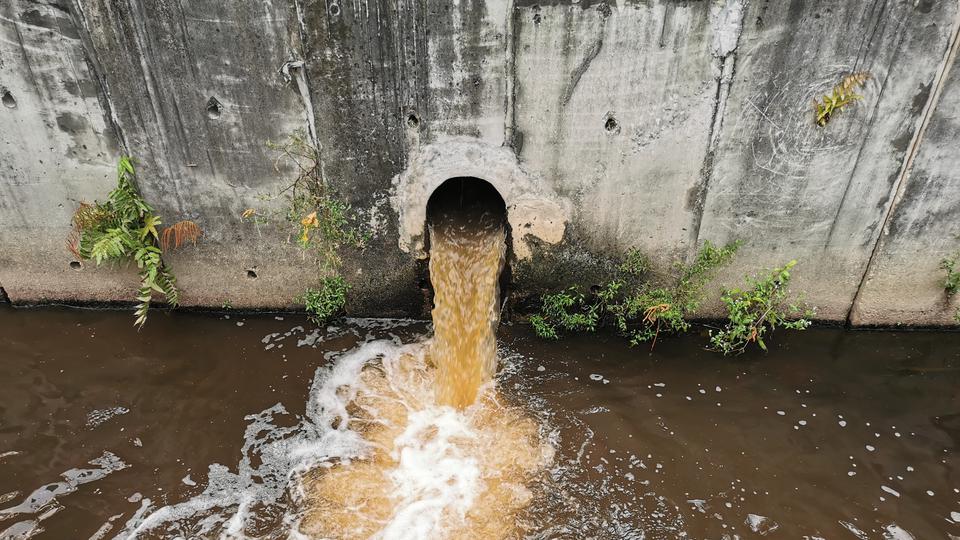
Food waste down the drain External link, opens in new window.
The report examines how much food and drink Swedish households pour down the drain and why this happens. The results show that the amount has decreased since 2014, but that large amounts of unnecessary food waste still occur.
The latest news on sustainable consumption
Contact IVL's experts in sustainable consumption
.jpg)
Annelise De Jong
Researchers in the field of sustainable consumption
annelise.dejong@ivl.se
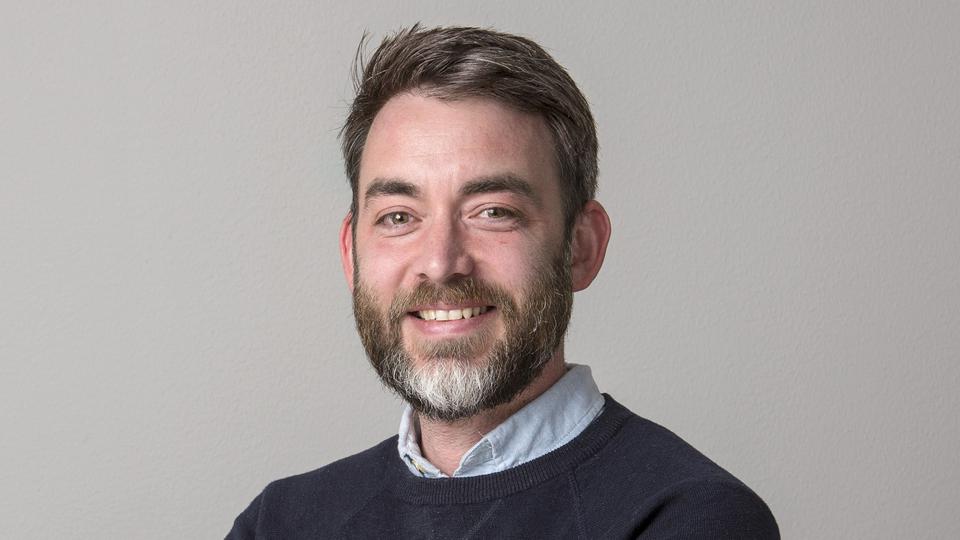
Michael Martin
Researcher in Food and the Circular Economy
michael.martin@ivl.se
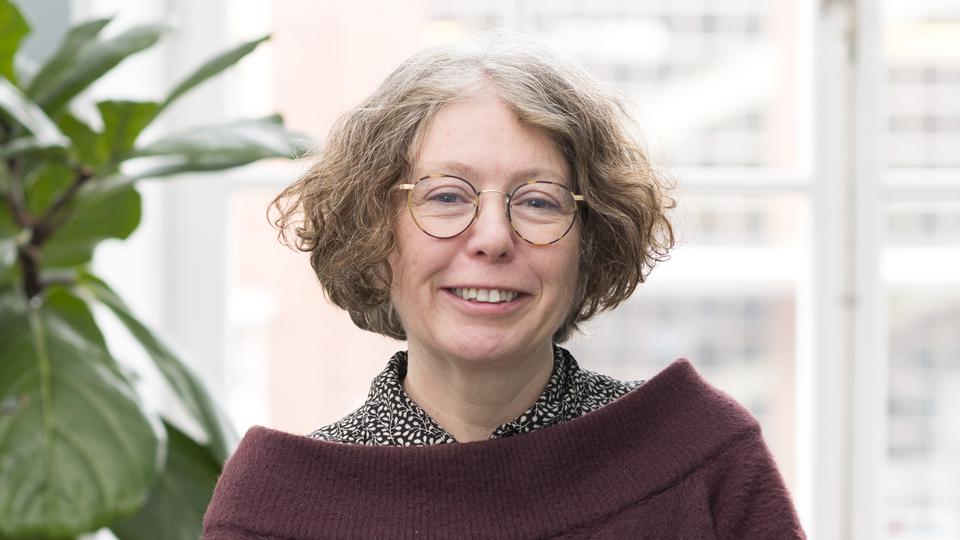
Liv Fjellander
Project Manager for Sustainable Consumption
liv.fjellander@ivl.se
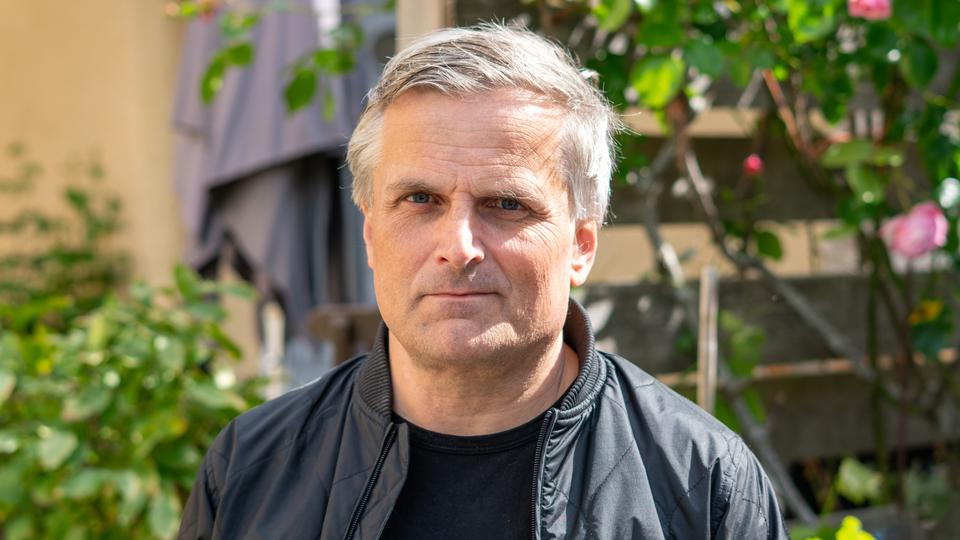
Magnus Hennlock
Group Manager
magnus.hennlock@ivl.se