Room for Change explores how the built environment can adapt over time
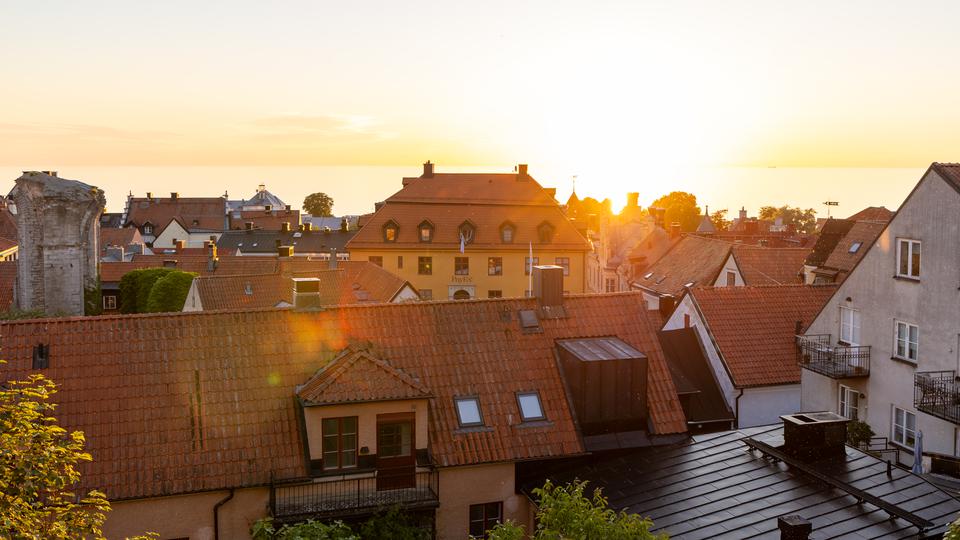
How can we create buildings and places that remain relevant and useful as society's needs evolve? The Room for Change project explores how decisions made in the early stages of planning and development can contribute to a more adaptable, long-lasting and resource-efficient built environment. Östercentrum in Visby serves as a test bed for the project.
Buildings and urban areas are often planned around current needs, despite the fact that mobility patterns, demographics, commercial activities and ways of using the built environment evolve over time. As a result, buildings and places can become tied to specific functions, making them less able to adapt to new uses. This may lead to costly alterations, premature demolition and increased climate and resource impacts.
The project examines how early decisions in planning and development influence the potential to create buildings and urban areas that can adapt to changing needs over the long term. The work focuses on Östercentrum in Visby, where an ongoing planning programme provides an opportunity to explore how existing and new development can evolve together in a culturally significant urban environment.
The project analyses how the area has changed over time, how it is used today and how future needs may shape its development. Through scenario-based analyses, researchers explore how different development pathways affect adaptability, long-term usability and resource efficiency. The project also examines implications for climate impact, cultural heritage values and other dimensions of sustainability.
Led by IVL Swedish Environmental Research Institute, the project brings together the municipalities, researchers, architects, cultural heritage specialists and local stakeholders.
Project facts
- Project name: Room for Change explores how the built environment can adapt over time/ Rum för förändring: Tidiga vägval för flexibel och långlivad bebyggelse i Östercentrum
- Budget: 4,5 MSEK
- Funding: Vinnova
- Partners: IVL Swedish Environmental Research Institute, Region Gotland, Gotlands Museum, Kaminsky Arkitektur, Uppsala University, Visby Centrum, Swedish National Heritage Board (Riksantikvarieämbetet), Båstads Municipality
- Period: 2026 - 2028

Contributes to the UN Global Goals