How air pollution and pollen affect children's sick leave
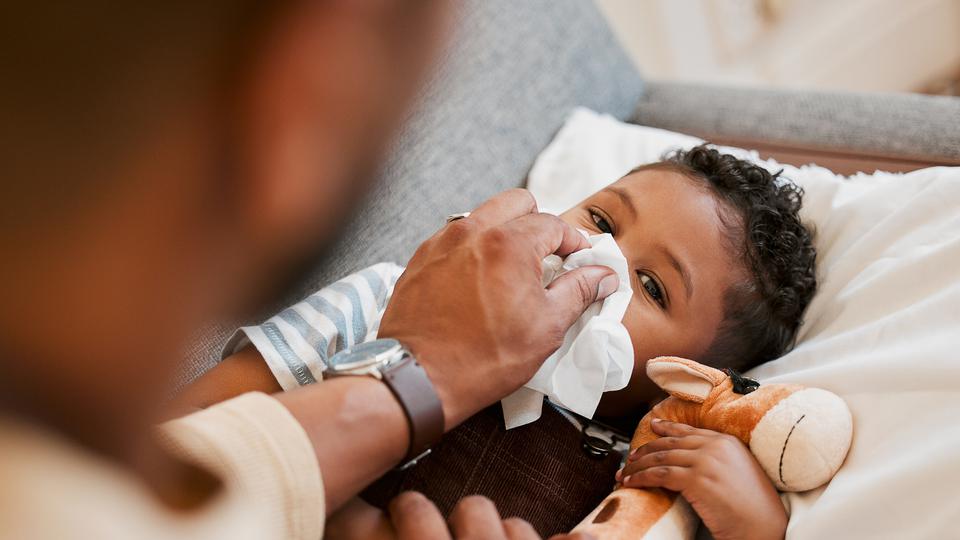
Can air pollution and pollen contribute to an increase in children becoming ill, causing parents to stay home from work to care for them? The LuftVAB project aims to investigate the relationship between air pollution, pollen, and the number of days parents take leave to care for sick children. The project will also estimate the societal costs associated with this issue and develop guidance for families with particularly vulnerable children.
Because children's lungs and airways are still developing, they are particularly sensitive to air pollution. Children with asthma or respiratory allergies may be especially vulnerable. At the same time, there is limited knowledge about how air pollution and pollen affect milder illnesses that can lead to absence from preschool or school and require parents to take leave to care for a sick child.
The project combines national registers on parental leave for sick children, health, and socioeconomic conditions with measured and modelled concentrations of particulate matter, nitrogen dioxide, ozone, and pollen in Gothenburg, Malmö, Stockholm, and Umeå. Researchers will investigate both short-term exposure to elevated levels and long-term exposure, as well as whether the impacts differ across population groups.
The project will also estimate the costs to both society and families and examine how preventive measures can reduce these burdens. In collaboration with parents, patient organisations, and other relevant stakeholders, the project will develop recommendations for vulnerable groups and provide information for the public and government authorities. The results may help support healthier urban environments, more targeted advice, and measures that reduce health inequalities.
The project collaborates with Astma- och Allergiföreningen of Västra Götaland and the Swedish Heart Lung Foundation.
Project facts
- Frisk luft för friska barn – hur luftföroreningar och pollen påverkar barns sjukfrånvaro
- Budget: 5,9 miljoner kronor
- Funder: Formas
- Project partners: IVL Svenska Miljöinstitutet, Göteborgs universitet, Sahlgrenska Universitetssjukhuset, Umeå universitet och SMHI
- Period: 2026 - 2030

Contributes to the UN Global Goals