GreeNTrans develops cultivation using biological nitrogen
GreeNTrans explores how legumes can be used in hydroponic cultivation to replace synthetic nitrogen fertilisers. The project aims to support more circular food production, with lower greenhouse gas emissions and more stable crop yields.
Synthetic nitrogen fertilisers play an important role in today’s food production, but their production contributes to greenhouse gas emissions. In the GreeNTrans project, IVL and its partners investigate how biologically fixed nitrogen from legumes can be used as a more circular alternative in cultivation systems.
Legumes have a natural ability to bind nitrogen from the air with the help of bacteria called rhizobia. The project will adapt legume plants to hydroponic systems, where plants are grown without soil in a nutrient solution. Through modelling and experiments, the researchers will identify the growing conditions that lead to the highest level of biological nitrogen fixation.
The project studies which concentration of rhizobia is most effective, how the pH, electrical conductivity and temperature of the nutrient solution affect the results, and which hydroponic systems are most efficient. The researchers will also examine how substances released by plants affect the possibility of reusing the nutrient solution.
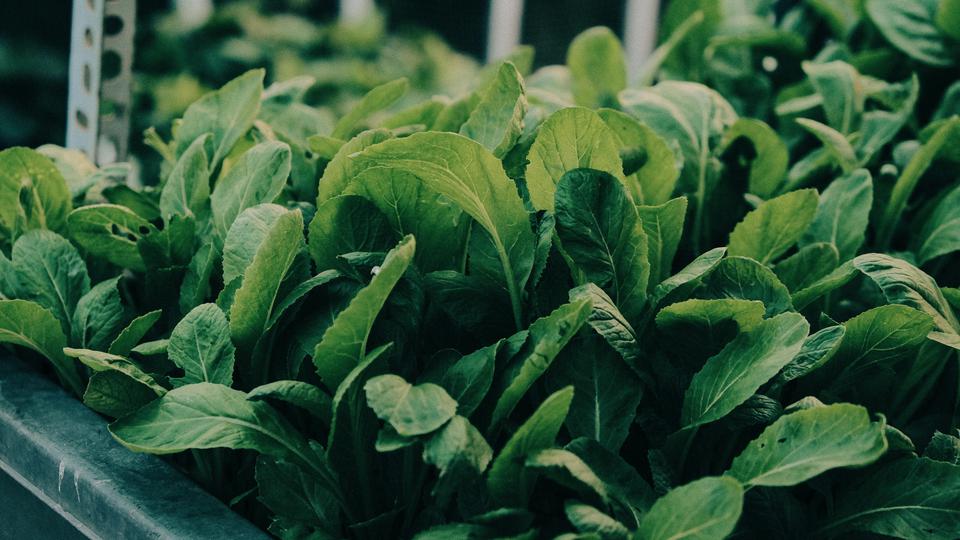
An important part of the project is to grow legumes together with leafy vegetables to assess whether biologically fixed nitrogen can replace synthetic nitrogen. The researchers will evaluate the quality, productivity and nitrogen cycle of leafy vegetables, both in hydroponic systems and in substrate.
The goal is to develop a method that can help achieve stable yields using biologically fixed nitrogen. The results will improve knowledge of the nitrogen cycle in plants and contribute to safer food with higher and more consistent quality.
Project facts
- Project name: Green nitrogen transition: The potential of legumes in control environment agriculture (GreeNTrans)
- Budget: 10 MNOK
- Funding: Nordforsk
- Partners: Lithuanian Research Center for Agriculture and Forestry, University of Helsinki, IVL Swedish Environmental Research Institute
- Period: 2024 - 2028

Contributes to the UN Global Goals