Enhanced biodiversity through forest grazing
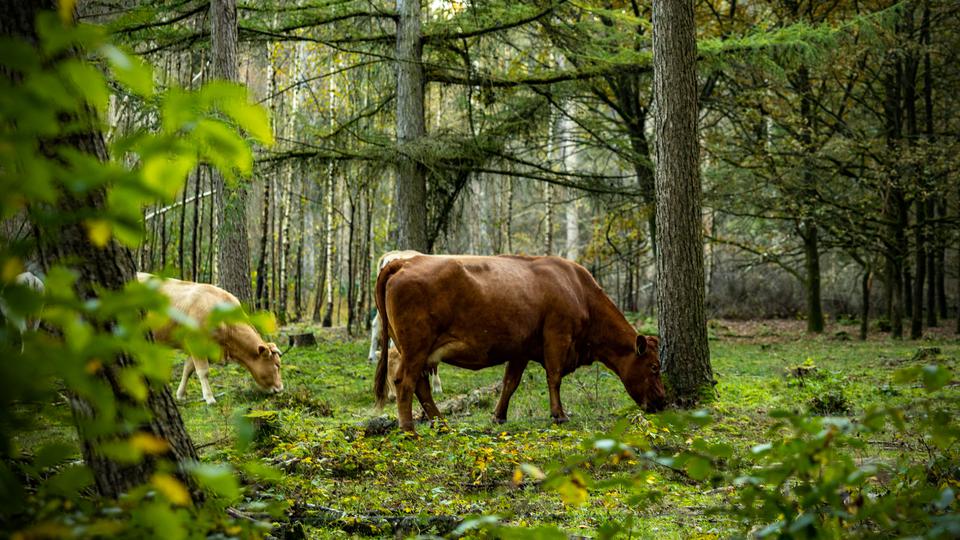
ForPast is a Swedish-Swiss research project that will spend three years investigating how grazing in forest edges and forests can benefit biodiversity, animal welfare, and sustainable agriculture. Among other methods, the project uses eDNA to map fungi, insects, and other organisms in the soil and manure.
Historically, grazing animals created species-rich and varied landscapes, but many of these environments have disappeared due to modern agriculture and forestry. In the interdisciplinary research project ForPast, researchers from Sweden and Switzerland will investigate how grazing in transition zones between forest and pasture affects nature, animals, and agriculture. The project focuses on biodiversity, as well as animal welfare, forest structure, meat quality, and the economics of agriculture and forestry.
The project combines ecological field studies with modern DNA methods to analyze biodiversity above and below ground. Using eDNA and DNA metabarcoding, fungi, soil organisms, insects, and plants are identified from soil samples and animal droppings. The results are linked to data on vegetation, climate, soil conditions, and grazing intensity to understand how forest grazing affects ecosystem function and species richness.
IVL contributes expertise in molecular biology, DNA analysis, and bioinformatics. The results will provide a basis for future nature conservation and sustainable management practices that enhance biodiversity.
Project facts
- Project Name: ForPast - Combining Pasture and Forest to Promote Biodiversity, Animal Welfare, and Economic Viability
- Budget: Total of 24.6 MSEK
- Funding: Primarily Formas and the Swiss National Science Foundation (SNSF) through the Weave call for proposals, with supplementary funding for the Swedish portion from the Västra Götaland Region and SLU.
- Partners: IVL Swedish Environmental Research Institute, SLU (Beef and Lamb Production, Soil Biology, Forest Pathology), Sjuhärad Agricultural Society, University of Bern, Agroscope, Swiss Research Institute for Forest, Snow, and Landscape
- Period: 2026 - 2029

Contributes to the UN Global Goals